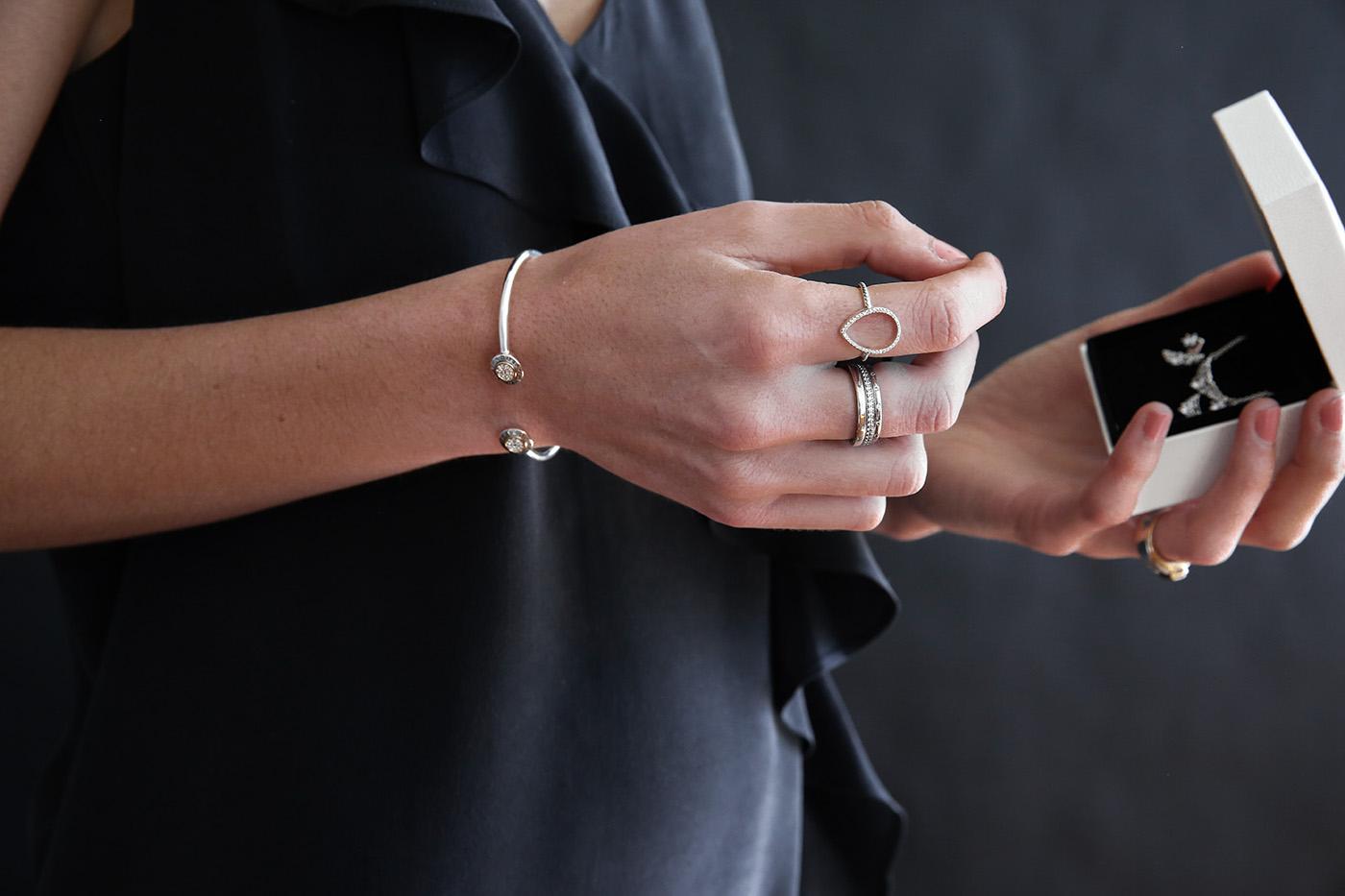
Sterling silver jewelry offers timeless beauty, versatility, and everyday comfort. Whether you love simple silver rings, delicate necklaces, or handcrafted Balinese jewelry, proper care can help your favorite pieces remain beautiful for many years.
However, daily activities can affect the appearance and condition of your jewelry.
Perfume, cosmetics, sweat, household chemicals, and moisture may contribute to tarnish or surface damage. Physical impacts can also scratch silver or loosen gemstones.
Fortunately, a few simple habits can make a significant difference.
In this guide, we explain how to wear and care for sterling silver jewelry, protect it from everyday damage, and maintain its appearance for years to come.
1. Understand Your Sterling Silver Jewelry
Before wearing your jewelry, it helps to understand the material.
Sterling silver contains 92.5% pure silver and 7.5% other metals, usually copper.
This combination provides greater strength than pure silver and makes sterling silver suitable for many jewelry designs.
Manufacturers use sterling silver to create rings, earrings, necklaces, bracelets, pendants, and other accessories.
However, sterling silver still requires care.
The metal can develop scratches, dents, and tarnish through normal use.
These changes do not automatically indicate poor quality.
They reflect the physical and chemical properties of the material.
With sensible habits and occasional maintenance, sterling silver jewelry can remain attractive for many years.
2. Wear Your Silver Jewelry at the Right Time
Sterling silver works well for everyday jewelry, but certain activities create unnecessary risks.
You do not need to avoid wearing silver regularly.
Instead, consider when and where you wear each piece.
Wear Silver for Normal Daily Activities
Many sterling silver rings, necklaces, and earrings suit everyday wear.
Regular use can also help reduce visible tarnish buildup on some exposed surfaces.
However, the results depend on your skin chemistry, environment, and daily activities.
Remove Jewelry During Physical Work
Take off delicate jewelry before gardening, moving heavy objects, or performing demanding household tasks.
Hard surfaces and tools can scratch or bend metal.
Strong impacts may also damage gemstone settings.
Remove Jewelry Before Exercise
Exercise exposes jewelry to sweat, friction, and physical movement.
Rings may catch on equipment, while necklaces and bracelets can experience unnecessary stress.
Removing jewelry before exercise reduces these risks.
Avoid Wearing Jewelry While Sleeping
Sleeping with jewelry can place pressure on chains, clasps, and delicate settings.
Thin necklaces may become tangled.
Earrings can also cause discomfort or catch on bedding.
Store delicate pieces safely before going to bed.
3. Put Your Jewelry on Last
One of the easiest ways to protect sterling silver jewelry is to change the order of your daily routine.
Apply cosmetics and personal care products before putting on your jewelry.
These products may contain ingredients that affect metal surfaces or decorative materials.
A practical routine looks like this:
- Apply skincare products.
- Use perfume or body spray.
- Apply hairspray and other styling products.
- Allow the products to dry.
- Put on your jewelry.
This habit helps reduce direct contact with cosmetics and chemicals.
It also protects gemstones, pearls, and plated surfaces.
4. Keep Silver Jewelry Away from Water and Chemicals
Sterling silver can tolerate occasional contact with clean water, but prolonged exposure to moisture and chemicals can create problems.
Some activities also expose jewelry to physical damage.
Swimming Pools
Remove silver jewelry before entering a swimming pool.
Chlorine can accelerate tarnishing and may affect certain metals, finishes, or components.
The Ocean
Saltwater and the coastal environment can contribute to surface changes.
Sand may also scratch polished jewelry.
If you visit the beach, store your jewelry in a suitable protective pouch.
Showering and Bathing
Soap, shampoo, and other products can leave residues on jewelry.
Water may also remain trapped around settings or decorative details.
Remove jewelry before showering whenever practical.
Household Cleaning
Bleach and strong household cleaners can damage jewelry.
Always remove your rings and bracelets before using these products.
Protecting jewelry from chemicals is easier than repairing damage afterward.
5. Protect Sterling Silver Rings from Scratches
Rings experience frequent contact with surrounding objects.
They touch tables, door handles, tools, bags, and other surfaces throughout the day.
As a result, rings often develop small scratches faster than earrings or pendants.
Choose Suitable Rings for Everyday Wear
Simple, well-constructed bands generally handle daily activities better than very delicate designs.
However, the actual durability depends on the metal thickness, construction, and finishing.
Avoid Heavy Physical Activities
Remove rings before lifting weights, handling machinery, or performing manual work.
Pressure can deform the ring or damage its setting.
Check Gemstone Settings
Inspect rings with gemstones regularly.
Look for loose stones, damaged prongs, or unusual movement.
If you notice a problem, stop wearing the ring until a qualified jeweler examines it.
A small repair may prevent the loss of a valuable stone.
6. Take Extra Care with Silver Necklaces and Chains
Silver chains require different care from rings.
Their links and clasps can become tangled, stretched, or damaged.
Prevent Tangling
Store each necklace separately.
Fasten the clasp before placing the necklace inside a pouch or jewelry box.
For delicate chains, a storage organizer can help prevent knots.
Avoid Pulling the Chain
Do not pull a necklace forcefully when it catches on clothing or another object.
Instead, release the chain carefully.
Check the Clasp
Inspect the clasp and connecting rings occasionally.
These small components play an important role in keeping your necklace secure.
Consider Pendant Weight
A heavy pendant may place unnecessary stress on a thin chain.
Choose a chain that suits the pendant’s weight and construction.
7. Care for Sterling Silver Earrings
Earrings may seem easier to maintain because they experience less contact with hard surfaces.
However, they still require attention.
Keep Earwires and Posts Clean
Skin oils, cosmetics, and other residues can accumulate around earring components.
Gently wipe suitable surfaces after wearing them.
Follow appropriate cleaning guidance for the earring’s materials and construction.
Avoid Bending Thin Components
Some earwires and posts use relatively thin metal.
Excessive pressure may change their shape.
Handle these components carefully when putting on or removing earrings.
Check Earring Backs
Loose earring backs can cause jewelry loss.
Inspect the fit regularly and replace worn components when necessary.
Store Earrings in Pairs
Use a jewelry organizer to keep matching earrings together.
Separate storage also reduces scratches and tangling.
8. Prevent Sterling Silver Tarnish
Tarnish is a natural surface reaction.
Silver reacts with sulfur-containing substances in the surrounding environment.
Over time, this reaction can create yellow, brown, gray, or black discoloration.
Humidity, pollution, cosmetics, and certain chemicals can contribute to tarnishing.
However, tarnish does not mean your sterling silver jewelry is fake.
Simple Ways to Reduce Tarnish
- Wipe suitable jewelry with a soft cloth after wearing it.
- Keep jewelry away from household chemicals.
- Store each piece in a dry place.
- Use appropriate anti-tarnish storage materials.
- Avoid unnecessary exposure to moisture.
- Clean jewelry according to its finish and materials.
You cannot guarantee that sterling silver will never tarnish.
However, these habits can slow the process and make maintenance easier.
9. Store Your Silver Jewelry Properly
Good storage plays an important role in jewelry care.
When you finish wearing a piece, do not leave it on a bathroom counter or an exposed surface near household chemicals.
Instead, choose a clean, dry storage area.
Use Individual Jewelry Pouches
Soft pouches help protect jewelry from scratches.
They also prevent pieces from rubbing against one another.
Choose a Suitable Jewelry Box
A jewelry box with separate compartments helps organize rings, earrings, necklaces, and bracelets.
A suitable lining can provide additional surface protection.
Control Humidity
Humidity can contribute to tarnishing.
In tropical environments such as Bali, proper storage becomes especially important.
A suitable desiccant packet can help manage moisture inside a closed storage container.
Keep desiccants away from children and pets, and replace them according to the manufacturer’s instructions.
Avoid Certain Storage Materials
Some rubber products and paper materials contain substances that can accelerate silver tarnish.
Choose storage products intended for jewelry.
10. Protect Oxidized Silver Jewelry
Oxidized silver has a distinctive appearance.
Jewelry makers intentionally darken selected areas to emphasize decorative patterns.
This technique often appears in traditional Balinese silver jewelry.
The contrast between polished surfaces and dark recesses creates depth.
However, aggressive cleaning can remove the intended dark finish.
How to Care for Oxidized Silver
Use a clean, soft cloth for gentle surface cleaning.
Avoid rubbing the darkened details excessively.
Do not use silver dips or strong polishing products unless the manufacturer confirms their suitability.
If the finish requires restoration, consult an experienced jeweler.
Proper care helps preserve the character of oxidized jewelry.
11. Care for Gold-Plated Sterling Silver Jewelry
Some sterling silver jewelry features a gold-plated surface.
The gold layer provides a different appearance while the underlying jewelry retains its silver construction.
However, plating requires special care.
Friction, chemicals, and repeated polishing can gradually wear the coating.
Protect Gold-Plated Jewelry
Avoid wearing gold-plated pieces during swimming, exercise, or household cleaning.
Keep them away from perfumes and cosmetics.
After wearing them, gently wipe suitable surfaces with a soft, dry cloth.
Avoid abrasive silver-polishing products.
These products may remove or damage the gold layer.
The plating’s durability depends on several factors, including thickness, application quality, construction, and wear conditions.
Some pieces may eventually require professional replating.
12. Take Special Care with Gemstones and Pearls
Not every gemstone tolerates the same cleaning method.
Some stones are sensitive to chemicals, heat, moisture, or sudden temperature changes.
Pearls
Pearls have delicate surfaces.
Keep them away from perfume, cosmetics, and aggressive cleaning products.
Wipe them gently with an appropriate soft cloth after wearing them.
Opals
Opals require careful handling because some varieties can be sensitive to environmental conditions and physical impacts.
Avoid aggressive cleaning methods and sudden temperature changes.
Mother-of-Pearl and Abalone
These materials can scratch or suffer surface damage.
Avoid abrasive cleaning products and harsh chemicals.
Gemstone Settings
Even durable gemstones need secure settings.
Inspect prongs, bezels, and other components periodically.
If you notice movement or damage, ask a qualified jeweler to examine the piece.
When jewelry contains multiple materials, follow the care requirements of its most delicate component.
13. Clean Your Silver Jewelry Gently
Regular cleaning can help remove dirt and maintain the appearance of suitable sterling silver jewelry.
However, the correct method depends on the product.
For plain, unplated sterling silver without delicate stones or special finishes, a gentle cleaning routine may be appropriate.
Basic Cleaning Steps
- Prepare lukewarm water with a small amount of mild soap.
- Gently clean the suitable jewelry surfaces with a soft cloth.
- Rinse carefully with clean water.
- Dry the jewelry completely using a soft, lint-free cloth.
- Store it in a clean, dry place.
Avoid soaking jewelry that contains glued components, delicate gemstones, pearls, or other moisture-sensitive materials.
A silver polishing cloth can help remove light tarnish from suitable unplated silver.
However, do not use aggressive polishing on oxidized or gold-plated surfaces.
For detailed cleaning instructions, read our guide:
How to Clean and Care for Sterling Silver Jewelry at Home.
14. Avoid Common Jewelry Cleaning Mistakes
Some popular home-cleaning methods can damage jewelry.
Avoid using toothpaste as a general silver cleaner.
Many toothpaste formulations contain abrasive ingredients that may scratch metal surfaces.
Baking soda paste and other abrasive mixtures can also affect polished finishes.
Strong chemical cleaners may damage gemstones, plating, or intentional oxidation.
Ultrasonic cleaning is not suitable for every jewelry design.
It can create risks for certain gemstones, fragile settings, and assembled components.
If you do not know which cleaning method suits your jewelry, ask the manufacturer or a qualified jeweler.
A cautious approach helps prevent unnecessary damage.
15. Know When Your Jewelry Needs Professional Attention
Home care can maintain jewelry, but some problems require professional repair.
Contact a qualified jeweler if you notice:
- Loose gemstones.
- Damaged prongs.
- Broken clasps.
- Cracked solder joints.
- Bent ring bands.
- Deep scratches.
- Worn plating.
- Significant damage to decorative finishes.
Do not continue wearing jewelry with loose stones or damaged components.
Professional maintenance can extend the useful life of a well-made piece.
However, some repairs may require replacement parts or more extensive work.
16. Build a Simple Jewelry Care Routine
You do not need an elaborate maintenance program.
A few consistent habits can help protect your jewelry.
After Each Wear
Gently wipe suitable surfaces with a soft cloth.
Check for obvious damage.
Return each piece to its proper storage area.
Every Few Weeks
Inspect frequently worn rings, necklaces, and bracelets.
Check clasps, connections, and gemstone settings.
Clean suitable pieces when necessary.
Occasionally
Review your jewelry collection.
Look for signs of wear, damaged components, or plating deterioration.
Arrange professional maintenance when needed.
The right schedule depends on how often you wear each piece and the activities you perform.
17. Why Jewelry Quality Matters
Proper care helps preserve jewelry, but manufacturing quality also influences durability.
A ring with insufficient metal thickness may deform more easily.
A poorly constructed clasp may fail during normal use.
An unsuitable gemstone setting may not provide enough protection.
For these reasons, jewelry brands and manufacturers should consider practical wearability during product development.
Good jewelry design balances appearance, comfort, construction, and material properties.
At Puri Lautan Mutiara, we understand the importance of these details.
Our workshop has manufactured jewelry in Bali since 1998.
We work with sterling silver, brass, selected gold alloys, and different gemstone materials.
Depending on the design, our processes include casting, hand fabrication, soldering, stone setting, and finishing.
As a small jewelry manufacturing business, we work with international designers, brands, retailers, and wholesalers.
Our goal is to help customers develop jewelry that combines attractive design with practical manufacturing requirements.
Learn more about our Custom Jewelry Manufacturing Services.
Frequently Asked Questions About Wearing Silver Jewelry
Can I wear sterling silver jewelry every day?
Yes. Many sterling silver designs suit everyday wear. However, remove delicate jewelry before activities that involve strong chemicals, heavy physical work, or unnecessary impacts.
Can I sleep with my silver necklace?
You can, but removing it before sleeping helps reduce tangling, pulling, and unnecessary stress on delicate links or clasps.
Should I remove silver rings before washing my hands?
Occasional contact with clean water usually does not harm plain sterling silver. However, dry the ring thoroughly afterward. Remove jewelry when using strong cleaning products.
Can I wear sterling silver in the shower?
We recommend removing it before showering. Soap residue, moisture, and personal care products may affect its appearance, particularly when the jewelry includes gemstones or special finishes.
Does wearing silver prevent tarnish?
Regular wear may reduce visible tarnish buildup on some surfaces. However, sweat, cosmetics, and environmental conditions can also contribute to tarnishing.
How should I store sterling silver in humid climates?
Use a clean, dry storage container or suitable anti-tarnish pouch. Keep individual pieces separate and consider appropriate moisture-control products.
Can gold-plated sterling silver last for years?
Yes, depending on the plating thickness, construction, wear conditions, and care. However, plating can gradually wear and may eventually require restoration.
Will sterling silver jewelry last forever?
No manufacturer can guarantee that jewelry will last forever. However, well-made sterling silver jewelry can remain beautiful and wearable for many years, and sometimes generations, with proper care and maintenance.
Conclusion: Enjoy Your Sterling Silver Jewelry for Years to Come
Sterling silver jewelry combines beauty, versatility, and lasting appeal.
However, everyday activities can affect its appearance and condition.
Simple habits can help protect your favorite pieces.
Put on jewelry after applying cosmetics. Remove it before swimming or heavy physical work. Store it in a dry place and clean it according to its materials and finish.
Pay special attention to oxidized silver, gold plating, pearls, and delicate gemstones.
Most importantly, inspect your jewelry regularly and address small problems before they become serious.
Good jewelry deserves good care.
With appropriate maintenance, your sterling silver rings, earrings, necklaces, and bracelets can remain part of your collection for many years.
Looking for a custom sterling silver jewelry manufacturer in Bali?
Contact Puri Lautan Mutiara to discuss your jewelry designs, materials, and production requirements.
Puri Lautan Mutiara — Custom Jewelry Manufacturing in Bali Since 1998.