Over the past decade, the jewelry industry has evolved rapidly. Technology has improved, global competition has intensified, and production has become more efficient than ever before.
But behind this progress, there is a quieter reality—one that many people inside the industry are starting to feel: a gradual decline driven not by lack of demand, but by pressure on human resources.
? A Highly Competitive Market with Shrinking Margins
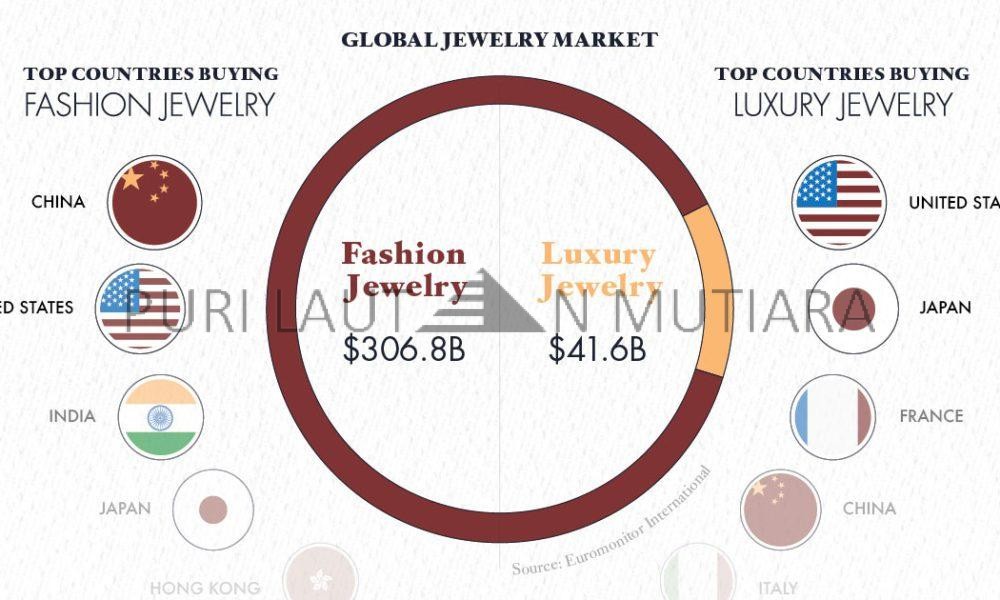
The global jewelry market today is more competitive than ever.
- More players are entering the industry
- Buyers have more options and demand lower prices
- Online platforms make price comparison instant
As a result, many companies are forced to cut costs and increase efficiency just to survive.
On paper, this looks like progress. In reality, it often leads to tighter margins across the entire supply chain.
??? The Real Impact: Human Resources Under Pressure
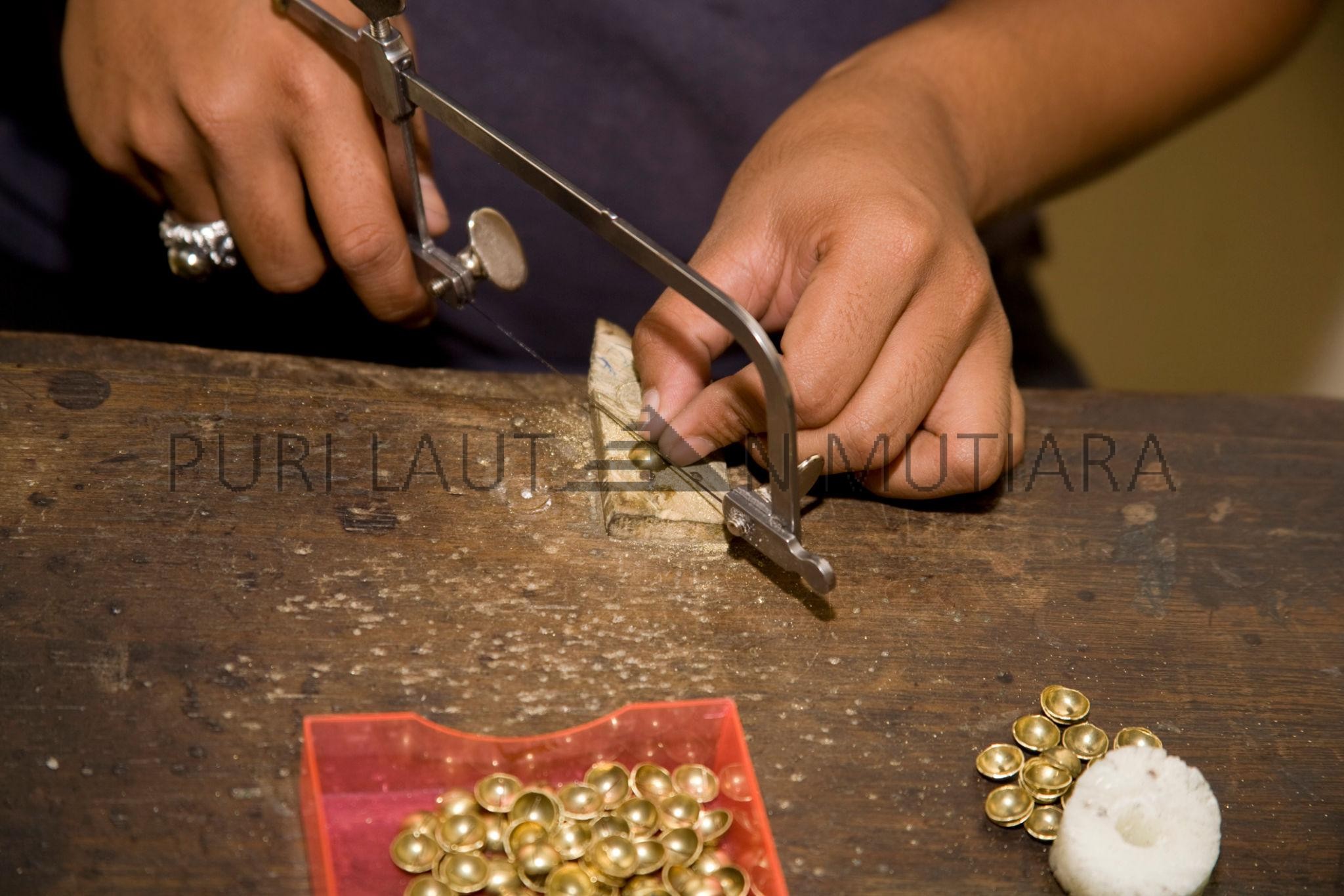
The biggest impact is not on machines or systems—it’s on people.
From silversmiths to administrative staff, many are experiencing:
- Lower income stability
- Increased workload with tighter deadlines
- Reduced bargaining power
- Less incentive for younger generations to join the trade
In places like Bali, where jewelry making is deeply tied to tradition, this shift is especially visible. Fewer young people are interested in becoming artisans, not because the craft has lost its beauty—but because the financial reward no longer matches the effort and skill required.
?? Efficiency vs. Sustainability
Modern businesses are built on efficiency:
- Faster production
- Lower costs
- Leaner teams
But there is a hidden trade-off.
When efficiency becomes the main goal, human value can slowly be reduced to numbers. Skilled artisans become replaceable. Experience becomes undervalued. Creativity is sometimes sacrificed for speed.
Over time, this creates a fragile system—one where:
- Talent leaves the industry
- Quality becomes harder to maintain
- The identity of handcrafted jewelry begins to fade
? Is There a Way Forward?
Despite these challenges, the future is not without hope.
The industry is beginning to shift in new directions:
- Appreciation for handmade and artisanal work is growing again
- Customers are starting to value story, authenticity, and sustainability
- Direct-to-consumer models allow better margins for smaller producers
- Ethical production and fair pay are becoming stronger selling points
For businesses, this means one thing:
Competing on price alone is no longer sustainable.
? A Necessary Shift in Mindset
To truly sustain the jewelry industry, we may need to rethink what “success” looks like:
- Not just faster—but better
- Not just cheaper—but fairer
- Not just scalable—but meaningful
Investing in people—artisans, designers, and teams—may be the most important step forward.
Because at its core, jewelry is not just a product.
It is a result of human skill, patience, and creativity.
Final Thoughts
The jewelry industry is not disappearing—but it is changing.
And if the current path continues, the biggest loss may not be profit or production—it may be the people who make it all possible.
The question now is:
Will we continue to push for efficiency at all costs, or will we start rebuilding an industry that values the humans behind the craft?