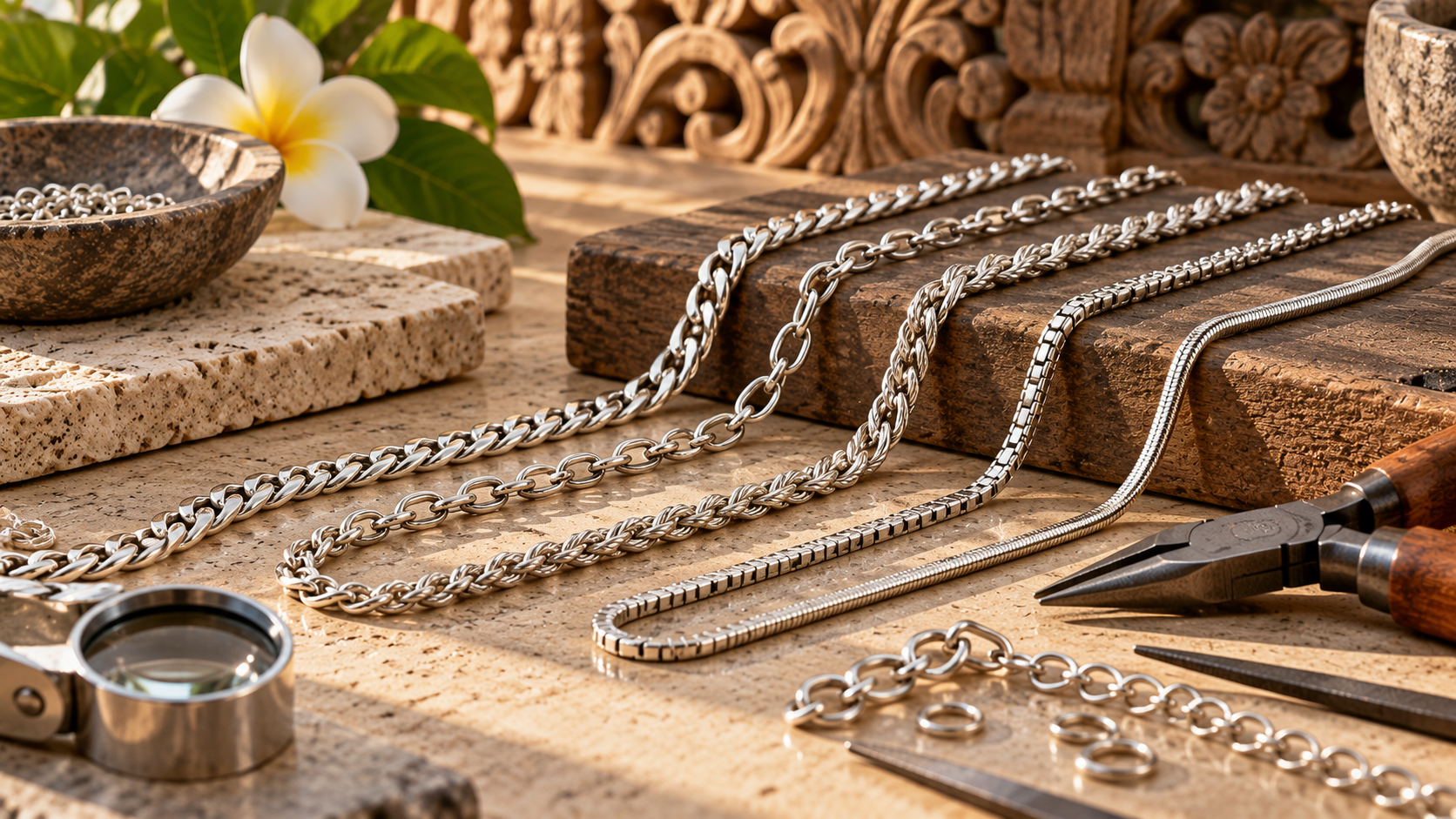
Sterling silver chains have remained an essential part of jewelry design for generations. Their versatility, elegant appearance, and practical strength make them suitable for everything from delicate pendants to bold statement necklaces and bracelets.
Behind every well-made silver chain lies a combination of metalworking knowledge, careful construction, and finishing techniques.
The history of silver chains stretches back thousands of years, while modern jewelry manufacturers continue to refine their production methods.
In Bali, Indonesia, traditional silversmithing skills and contemporary manufacturing techniques come together to create distinctive sterling silver jewelry.
This article explores the history of silver chains, popular chain styles, production methods, and what buyers should consider when choosing quality 925 sterling silver chains.
1. The Ancient History of Silver Chains
Silver has played an important role in human civilization for thousands of years.
Ancient societies in Mesopotamia, Egypt, and other regions used silver to create ornaments, decorative objects, and valuable possessions.
Early jewelry makers developed techniques for shaping metal into wires, rings, and interconnected components.
These methods provided the foundation for the chain-making techniques that followed.
Silver Jewelry in Ancient Greece and Rome
Greek and Roman goldsmiths produced increasingly sophisticated jewelry using wirework, soldering, and decorative metalworking.
Chains became important elements of necklaces, pendants, and other ornaments.
However, ancient silver jewelry should not automatically be described as sterling silver. Metal compositions varied, and the modern 925 standard developed much later.
2. The Development of Sterling Silver
Sterling silver contains 92.5% silver and 7.5% other metals, usually copper.
Pure silver is relatively soft, making it less suitable for some jewelry components that must withstand repeated movement and wear.
Adding copper increases hardness and improves practical durability while preserving silver’s attractive appearance.
The historical development of sterling silver standards is closely associated with European trade, coinage, and precious-metal regulation.
Over time, sterling silver became a widely recognized material for jewelry, tableware, and decorative objects.
Today, the number 925 commonly identifies jewelry that claims to meet the sterling silver composition standard.
3. From Traditional Chain Making to Modern Production
Early chain makers formed individual links from metal wire, connected them, and closed or soldered the joints.
This process required patience and consistent craftsmanship.
The Industrial Revolution introduced machinery that improved wire production, link forming, and chain assembly.
Modern chain manufacturers now use specialized equipment to produce consistent links at commercial scale.
However, hand assembly and finishing remain important for certain chain designs, decorative components, and custom jewelry projects.
Different chain constructions require different manufacturing methods.
A simple cable chain may use automated link-forming processes, while an elaborate decorative chain may require additional manual work.
4. Popular Types of Sterling Silver Chains
Understanding chain styles helps jewelry designers select the right appearance, flexibility, and strength for each product.
Cable Chain
A cable chain consists of interconnected round or oval links.
Its simple construction makes it suitable for necklaces, pendants, and bracelets.
Curb Chain
A curb chain features links that are shaped and twisted to lie relatively flat.
This style works well for both minimalist jewelry and heavier statement pieces.
Figaro Chain
A Figaro chain combines different link lengths in a repeating pattern, often featuring several shorter links followed by a longer one.
It offers a distinctive appearance while retaining the familiar structure of a link chain.
Rope Chain
A rope chain uses interwoven or twisted-looking links to create a spiral appearance.
Its reflective surfaces give it a rich, textured look.
Box Chain
A box chain features closely connected, square-shaped links.
It creates a clean, geometric appearance and is popular for pendant necklaces.
Snake Chain
A snake chain consists of tightly connected components that form a smooth, flexible surface.
Its sleek appearance suits contemporary jewelry designs.
Because some snake chains can kink, buyers should consider the intended use and handling requirements.
Byzantine Chain
A Byzantine chain uses an intricate arrangement of interlocking links.
Its complex construction creates a substantial decorative texture, making it popular for bracelets and statement necklaces.
Wheat Chain
A wheat chain uses interwoven oval links arranged in a repeating pattern.
The resulting structure resembles the texture of wheat stalks.
5. Bali’s Tradition of Sterling Silver Craftsmanship
Bali has a rich tradition of decorative metalworking.
Communities such as Celuk in Gianyar are especially associated with silver and gold jewelry production.
Balinese silversmiths have developed skills in forming, soldering, casting, engraving, and decorative finishing.
Traditional Balinese jewelry often features intricate patterns inspired by nature, local art, and ornamental design.
Techniques such as granulation, filigree, and oxidized finishing give many Balinese silver pieces their distinctive character.
Although standard commercial chains are often produced using specialized machinery, Balinese workshops can add value through handmade components, decorative clasps, custom pendants, and carefully assembled jewelry.
This combination allows manufacturers to create products that balance practical construction with individual design details.
6. How Sterling Silver Chains Are Made
Chain manufacturing involves several important stages.
Step 1: Preparing the Silver Alloy
Manufacturers prepare silver alloy that meets the required composition.
For sterling silver, the target silver content is 92.5%.
Step 2: Producing Silver Wire
Manufacturers draw or otherwise form silver into wire with controlled dimensions.
The required wire thickness depends on the chain style and intended strength.
Step 3: Forming the Links
Specialized tools or machinery shape the wire into individual links.
Some chain styles use round links, while others require flattened, twisted, or more complex shapes.
Step 4: Connecting and Closing the Links
The links are assembled into the required pattern.
Depending on the chain type, manufacturers may use soldering, welding, or other joining methods.
Step 5: Finishing
The chain may undergo cleaning, polishing, tumbling, or other finishing processes.
Some designs receive rhodium plating or gold plating, depending on the customer’s requirements.
Step 6: Quality Control
Manufacturers inspect the chain for link consistency, weak joints, surface defects, and clasp functionality.
The finished chain should meet the agreed specifications for length, width, weight, and appearance.
7. How to Choose a Quality Sterling Silver Chain
When selecting a chain, consider more than its appearance.
Silver Purity
Ask the supplier to confirm that the chain contains 925 sterling silver.
A 925 stamp is useful identification, but it does not independently verify metal composition.
Chain Thickness
Thin chains provide a delicate appearance, while thicker chains may offer greater strength depending on their construction.
The chain should suit the weight and intended use of the pendant or jewelry component.
Solid vs Hollow Construction
Solid chains generally contain more metal than comparable hollow designs.
Hollow chains can reduce weight and material cost, but they may be more vulnerable to denting or deformation.
Clasp Quality
Common closures include spring-ring clasps, lobster clasps, and box clasps.
The clasp should suit the chain’s weight, design, and intended use.
Link Construction
Check for irregular links, weak joints, sharp edges, and inconsistent finishing.
Surface Finish
Sterling silver chains may feature high-polish, matte, oxidized, or plated finishes.
The correct choice depends on the jewelry design and customer preferences.
8. Sterling Silver Chains for Jewelry Brands and Retailers
For jewelry businesses, chain selection affects both design and production costs.
A chain may serve as a finished necklace, bracelet, or component for another jewelry product.
When sourcing chains for a collection, buyers should confirm:
- Chain style and construction
- Sterling silver purity
- Width and length
- Weight per piece or per meter
- Clasp type and size
- Surface finish
- Minimum order quantity
- Production and delivery lead time
For custom jewelry projects, manufacturers may also need to coordinate chain selection with pendant dimensions, bail openings, and overall product weight.
Consistent specifications help reduce misunderstandings and improve repeat-order accuracy.
9. Custom Sterling Silver Chain Jewelry Manufacturing in Bali
At PT Puri Lautan Mutiara (PLM Bali), we have worked in jewelry manufacturing since 1998.
Our small workshop produces sterling silver, brass, and gold jewelry for customers in international markets.
We work with jewelry designers, retailers, and brands that require custom production and small-batch manufacturing.
Our services include:
- Custom pendants and chain-based jewelry
- Sterling silver bracelet and necklace assembly
- Decorative clasps and jewelry components
- Lost-wax casting and mold making
- CAD design support and 3D printing
- Soldering and assembly
- Polishing, oxidizing, and plating
- OEM and ODM jewelry manufacturing
We can discuss chain sourcing and assembly requirements based on the requested style, dimensions, and available components.
Our typical minimum order quantity starts at approximately 5–10 pieces per style or size for suitable custom jewelry projects. Chain supply requirements may differ depending on the type and source.
For buyers looking to develop a collection, we recommend providing reference images, technical dimensions, target weights, and estimated order quantities.
Explore our sterling silver chain catalog or contact our workshop to discuss your requirements.
10. How to Care for Sterling Silver Chains
Sterling silver can tarnish when exposed to certain compounds in the environment.
Proper care helps maintain its appearance.
Store chains separately. Use individual pouches or compartments to reduce tangling and scratching.
Avoid unnecessary chemical exposure. Remove jewelry before using harsh cleaning products or entering chemically treated water.
Clean gently. Use a soft jewelry polishing cloth suitable for sterling silver.
Check clasps and links. Inspect frequently worn chains for loose or damaged components.
Handle plated chains carefully. Abrasive polishing can remove thin decorative coatings.
For chains with delicate components or gemstone decorations, consult a professional jeweler before using ultrasonic cleaning.
Frequently Asked Questions
What does 925 mean on a silver chain?
The number 925 indicates that the chain is represented as containing 92.5% silver and 7.5% other metals.
Are sterling silver chains suitable for everyday wear?
Many sterling silver chains are suitable for everyday wear. Durability depends on link construction, thickness, clasp quality, and how the chain is used.
What is the difference between a solid and hollow silver chain?
A solid chain uses solid metal components, while a hollow chain contains internal spaces that reduce its weight.
Can sterling silver chains be gold-plated?
Yes. Manufacturers can apply gold plating to suitable sterling silver chains after appropriate surface preparation.
Do sterling silver chains tarnish?
Yes. Sterling silver can tarnish over time. Regular cleaning and proper storage help maintain its appearance.
Can I order custom silver chain jewelry from Bali?
Yes. Jewelry workshops in Bali can manufacture custom chain-based jewelry, including pendants, bracelets, and decorative components. Chain styles and quantities depend on available manufacturing capabilities.
Conclusion
Sterling silver chains connect centuries of metalworking tradition with modern jewelry manufacturing.
From ancient wirework to contemporary chain-making technology, their development reflects continuous improvements in design, materials, and production methods.
Bali contributes its own craftsmanship through decorative metalwork, custom jewelry components, and traditional finishing techniques.
For jewelry designers and brands, understanding chain styles, materials, and construction helps create products that combine appearance with practical quality.
If you are planning a custom sterling silver jewelry collection, we welcome your inquiries.
Contact PLM Bali for Custom Jewelry Manufacturing
PT Puri Lautan Mutiara — Bali Jewelry Manufacturer Since 1998.
-
←→
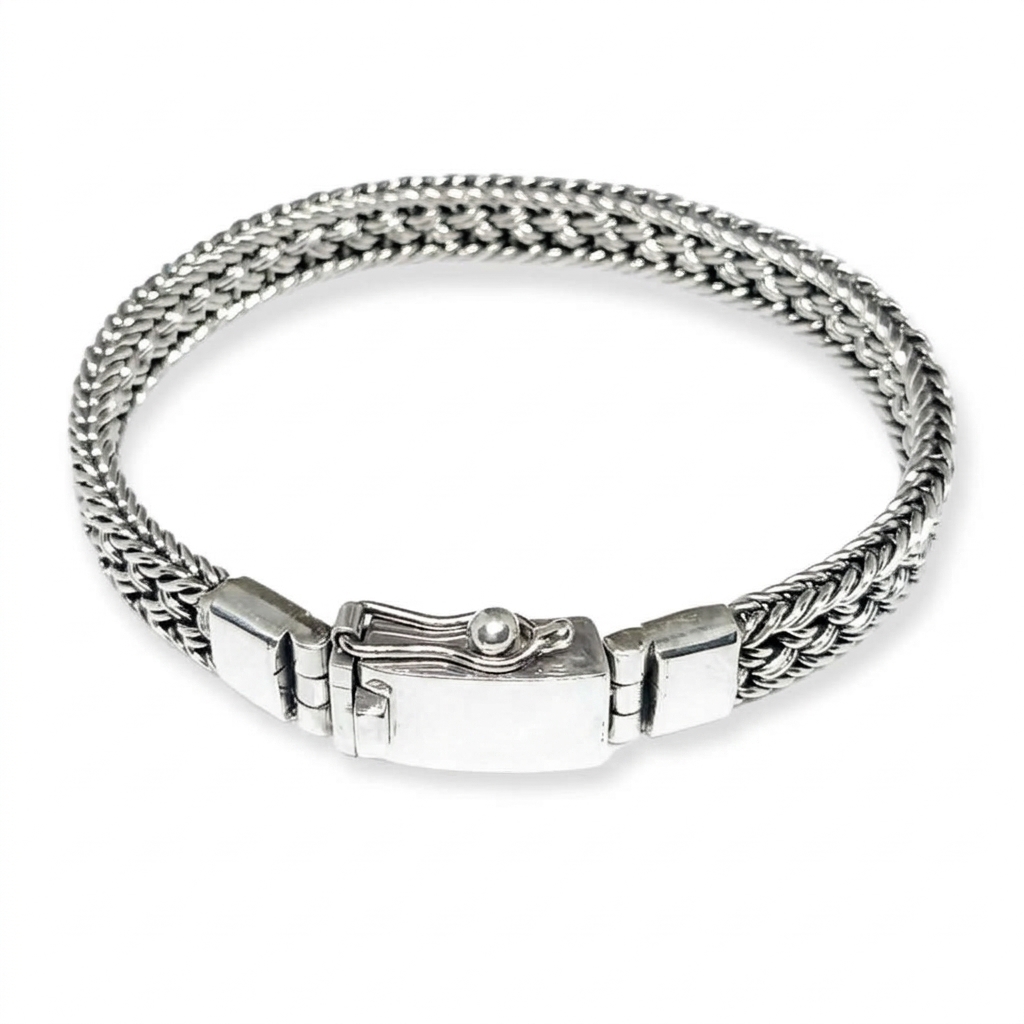
NY-CHB001-Silver Chain Bracelet
USD $103.99Sterling silver flat rolex style waving bracelet with box clasp closure.
Made To OrderNY-CHB001-Silver Chain Bracelet
USD $103.99Successfully Added to your Shopping CartAdding to Cart... -
←→
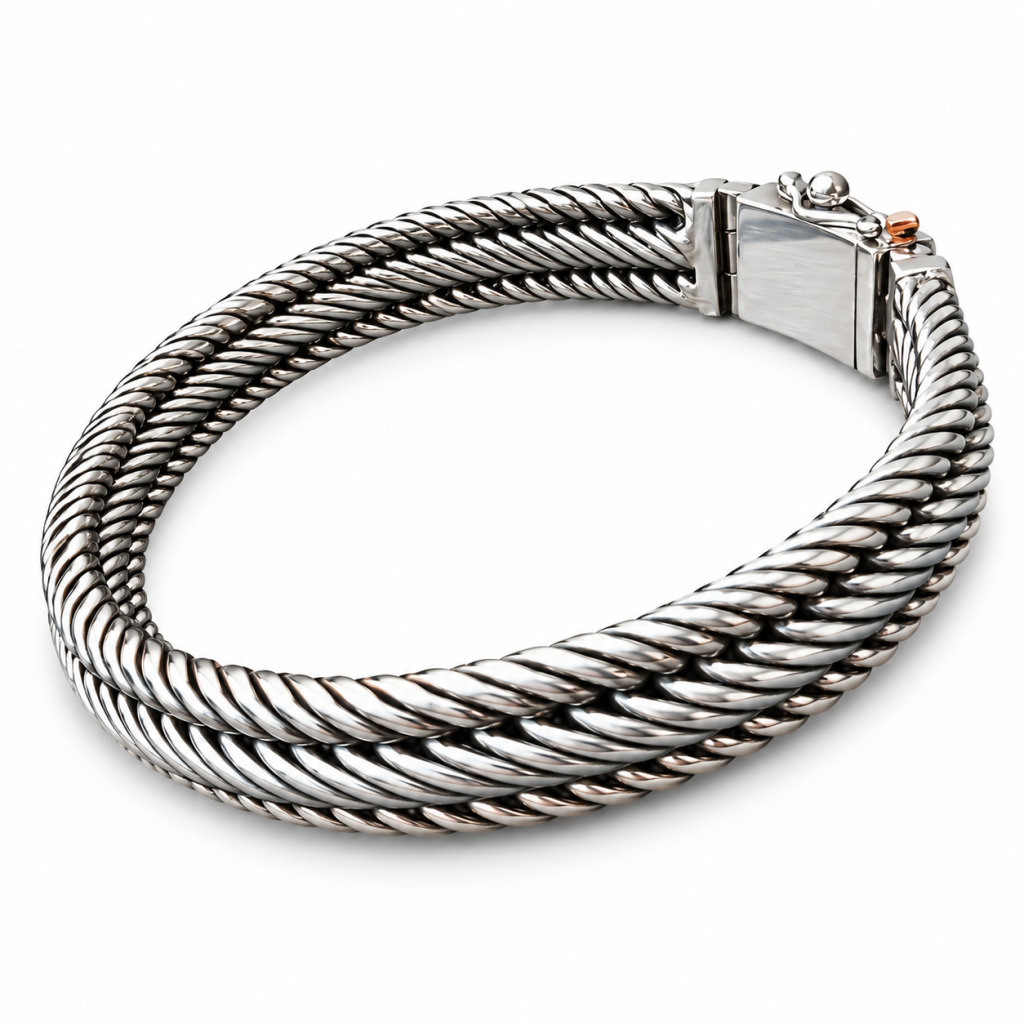
NY-CHB002-Silver Chain Bracelet
USD $162.99A timeless and versatile bracelet handcrafted in solid sterling silver, featuring a substantial oval rope chain design with a secure box clasp closure.
Made To OrderNY-CHB002-Silver Chain Bracelet
USD $162.99Successfully Added to your Shopping CartAdding to Cart... -
←→
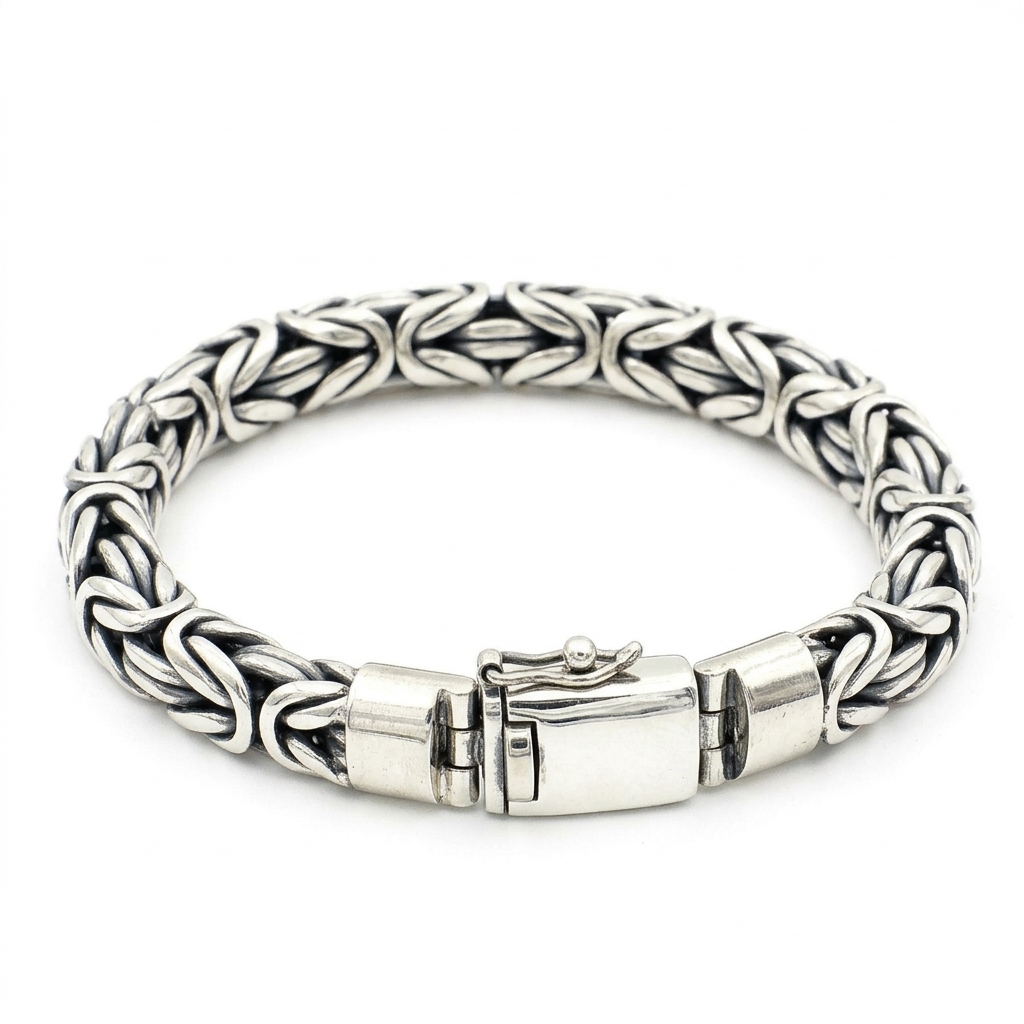
NY-CHB004-Silver Chain Bracelet
USD $205.99Sterling silver diamond shape byzantine or "borobudur" chain bracelet with box clasp closure.
Made To OrderNY-CHB004-Silver Chain Bracelet
USD $205.99Successfully Added to your Shopping CartAdding to Cart... -
←→

NY-CHB003-Silver Chain Bracelet
USD $123.99Sterling silver half-round shape, snakeskin style triple larger waving bracelet with box clasp closure,
Made To OrderNY-CHB003-Silver Chain Bracelet
USD $123.99Successfully Added to your Shopping CartAdding to Cart... -
←→
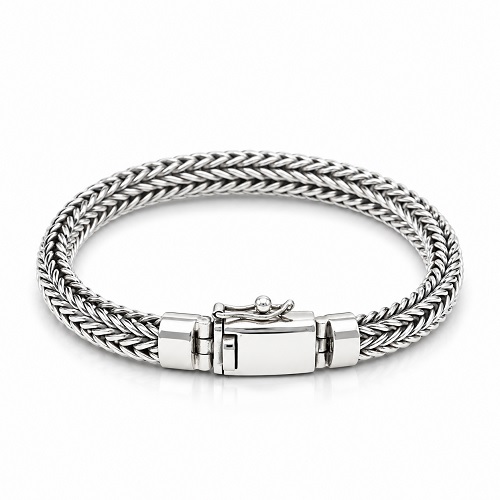
NY-CHB006-Silver Chain Bracelet
USD $89.99Sterling silver oval snake skin chain bracelet with oval tube clasp closure.
Made To OrderNY-CHB006-Silver Chain Bracelet
USD $89.99Successfully Added to your Shopping CartAdding to Cart... -
←→
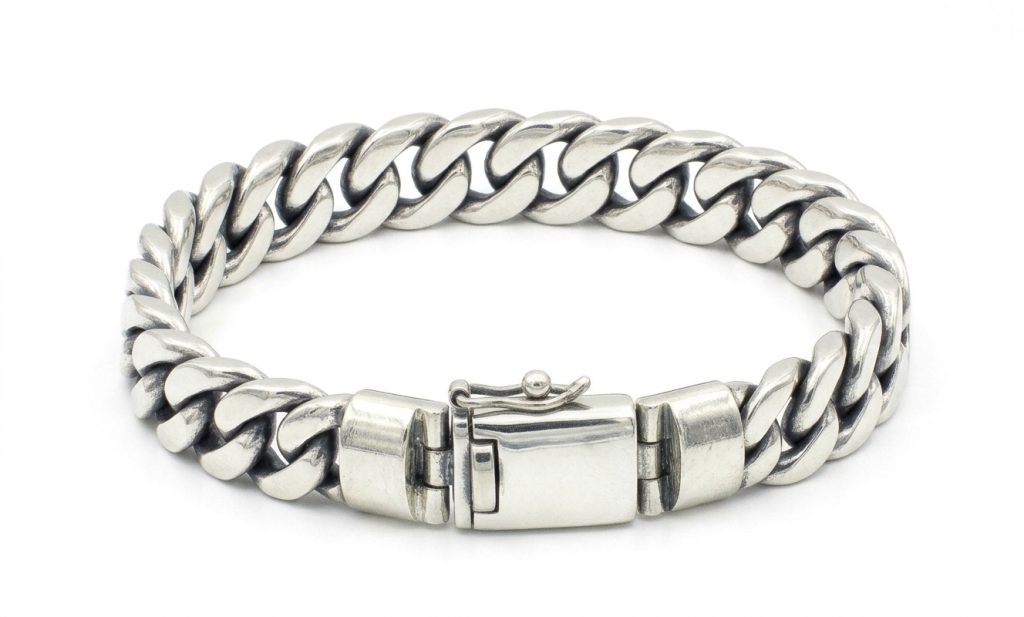
NY-CHB005-Silver Chain Bracelet
USD $109.99Sterling silver flat rectangle curb chain bracelet with box clasp closure.
Made To OrderNY-CHB005-Silver Chain Bracelet
USD $109.99Successfully Added to your Shopping CartAdding to Cart...