Lost wax casting is a jewelry-making method where artisans carve a design into jeweler’s wax, encase it in plaster (investment), and burn it away in a kiln, When you admire a beautifully crafted silver ring or an intricate gold pendant, you rarely see the fascinating process that brought it to life. One of the oldest and most trusted manufacturing methods in the jewelry industry is lost wax casting, a technique that has been used for more than 5,000 years.
Today, lost wax casting remains the preferred method for creating highly detailed jewelry because it offers exceptional precision, consistency, and design freedom. Whether the design is hand-carved or created using modern 3D technology, the casting process transforms a simple wax model into a stunning piece of metal jewelry.
What Is Lost Wax Casting?
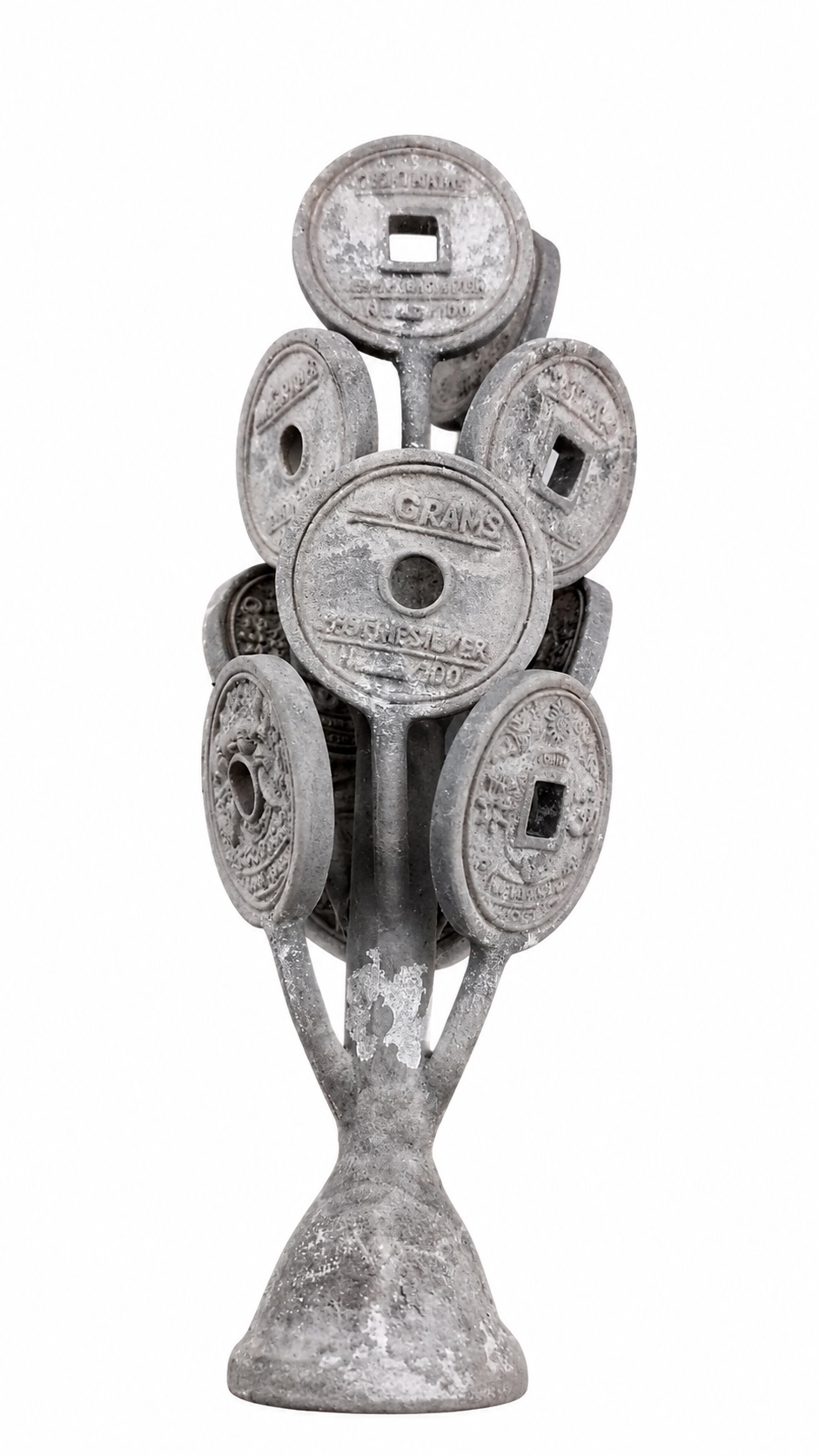
Lost wax casting is a manufacturing process in which a jewelry design is first created in wax. The wax model is then surrounded by a special heat-resistant plaster called investment. Once the investment hardens, the mold is heated in a kiln until the wax completely melts and burns away, leaving behind an empty cavity.
Molten metal—such as sterling silver, gold, bronze, brass, or platinum—is then poured into this cavity. After cooling, the investment is broken away, revealing an exact metal replica of the original wax model.
The result is an incredibly detailed piece of jewelry that faithfully captures every curve, texture, and engraving from the original design.
The Lost Wax Casting Process
1. Design the Jewelry
Every project begins with a design.
There are several ways to create a wax model:
- Hand carving using hard jeweler’s wax
- Wax sculpting with softer carving wax
- CAD (Computer-Aided Design) followed by 3D printing in castable resin or wax
Each method offers unique advantages, but they all lead to the same destination—a castable master model.
2. Sprueing
Once the design is complete, a wax rod called a sprue is attached to the model.
The sprue serves as the pathway through which molten metal flows into the mold during casting.
Multiple jewelry pieces can be attached to a central wax stem, creating what jewelers call a casting tree.
3. Investing
The wax tree is placed inside a metal flask.
A liquid investment plaster is mixed and poured around the wax until it completely surrounds every detail.
After several hours, the investment hardens into a durable mold.
4. Burnout
The flask is placed inside a programmable kiln.
Over a period of 7 to 9 hours, the temperature gradually increases, allowing the wax to melt and vaporize completely.
This process leaves behind a perfect hollow cavity inside the hardened investment.
Because the wax disappears during burnout, the process is known as lost wax casting.
5. Casting
Now comes the exciting part.
Molten metal—heated to over 960°C (1,760°F) for sterling silver—is poured into the mold.
Many professional casting systems use vacuum pressure or centrifugal force to ensure the molten metal reaches every tiny detail before it solidifies.
6. Quenching and Cleaning
After the metal cools, the hot flask is submerged in water.
The investment plaster breaks apart, revealing the raw metal casting.
At this stage, the jewelry still looks rough and unfinished.
The sprues are cut away, and each piece is carefully:
- Filed
- Sanded
- Polished
- Finished
- Prepared for stone setting if required
Only after these finishing processes does the jewelry become ready to wear.
Tips for Successful Lost Wax Casting
Maintain Proper Wall Thickness
Very thin designs may not fill completely with molten metal.
A recommended minimum thickness is:
- 0.8 mm for delicate pieces
- 1.0 mm or more for larger jewelry
Position the Sprue Carefully
The sprue should always connect to the thickest section of the design.
This allows metal to flow efficiently while reducing the chance of shrinkage or porosity.
Don’t Rush the Burnout Cycle
Proper burnout is essential.
Heating the investment too quickly may crack the mold or leave wax residue behind, resulting in casting defects.
Professional casters usually perform a controlled burnout cycle lasting 7–9 hours.
Traditional Craft Meets Modern Technology
One of the reasons lost wax casting remains so popular is its ability to combine centuries-old craftsmanship with today’s digital technology.
A designer can still hand-carve a wax model using traditional tools, while another may create an identical design using CAD software and a high-resolution 3D printer.
Regardless of how the design begins, both methods ultimately rely on the same lost wax casting process to transform creativity into precious metal.
Learn Lost Wax Casting in Bali
Bali has earned an international reputation as one of Southeast Asia’s leading destinations for handcrafted jewelry.
Whether you’re a beginner or an experienced designer, you’ll find opportunities to explore lost wax casting through workshops, studios, and artisan communities.
Many visitors combine a holiday with jewelry-making classes, learning directly from skilled Balinese silversmiths while experiencing the island’s rich artistic culture.
Final Thoughts
Lost wax casting is more than just a manufacturing technique—it’s where creativity, craftsmanship, and metallurgy come together.
From a simple wax carving to a finished sterling silver ring, every piece tells the story of patience, precision, and artistic skill.
The next time you wear a beautifully crafted piece of jewelry, remember that before it became polished and sparkling, it likely began as nothing more than a small piece of wax.
And that transformation is one of the true wonders of jewelry making.